

Woodyfest 2025: The night Okemah remembered why it keeps showing up
By Troy Littledeer | @kituwahpunk | Photos by Troy Littledeer


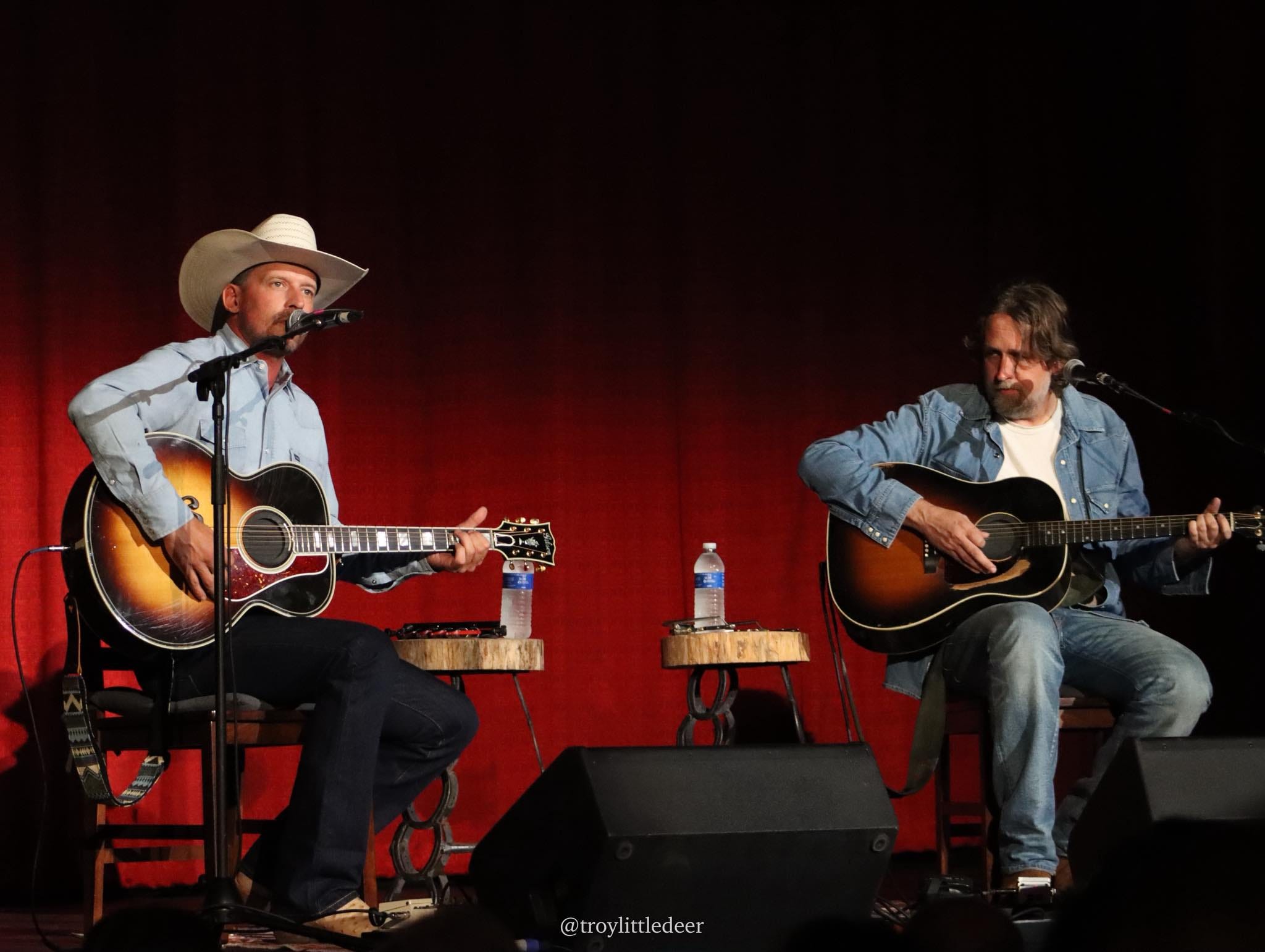
The Crystal Theatre holds maybe 500 people on a good night. Tuesday it held something closer to a confession.
Evan Felker, Hayes Carll, and Sarah Lee Guthrie took the stage for the opening night of the 2025 Woody Guthrie Folk Festival with no band, no production, no buffer between the songs and the room. What followed was 90 minutes of music that erased the line between performance and testimony — the kind of night that reminds you why people still drive hours to sit in folding chairs and listen to someone tell the truth.
WoodyFest returns to Okemah every July, anchored to the town where Woody Guthrie was born and the tradition he left behind. It is not a nostalgia festival. The artists it draws are storytellers, working in the same territory Guthrie mapped — working-class life, hard luck, the road, and the stubborn human insistence on meaning. Tuesday’s lineup was that tradition at full strength.
Sarah Lee Guthrie hosted the evening and performed alongside her daughter Robin. She is Woody’s granddaughter, and she carries that without ceremony. Between songs she told a story about recording one of her grandfather’s lyrics with Pete Seeger — dropped the name the way you drop the name of someone who actually mattered, which is to say quietly and with full weight. Her presence put the whole night in its proper frame
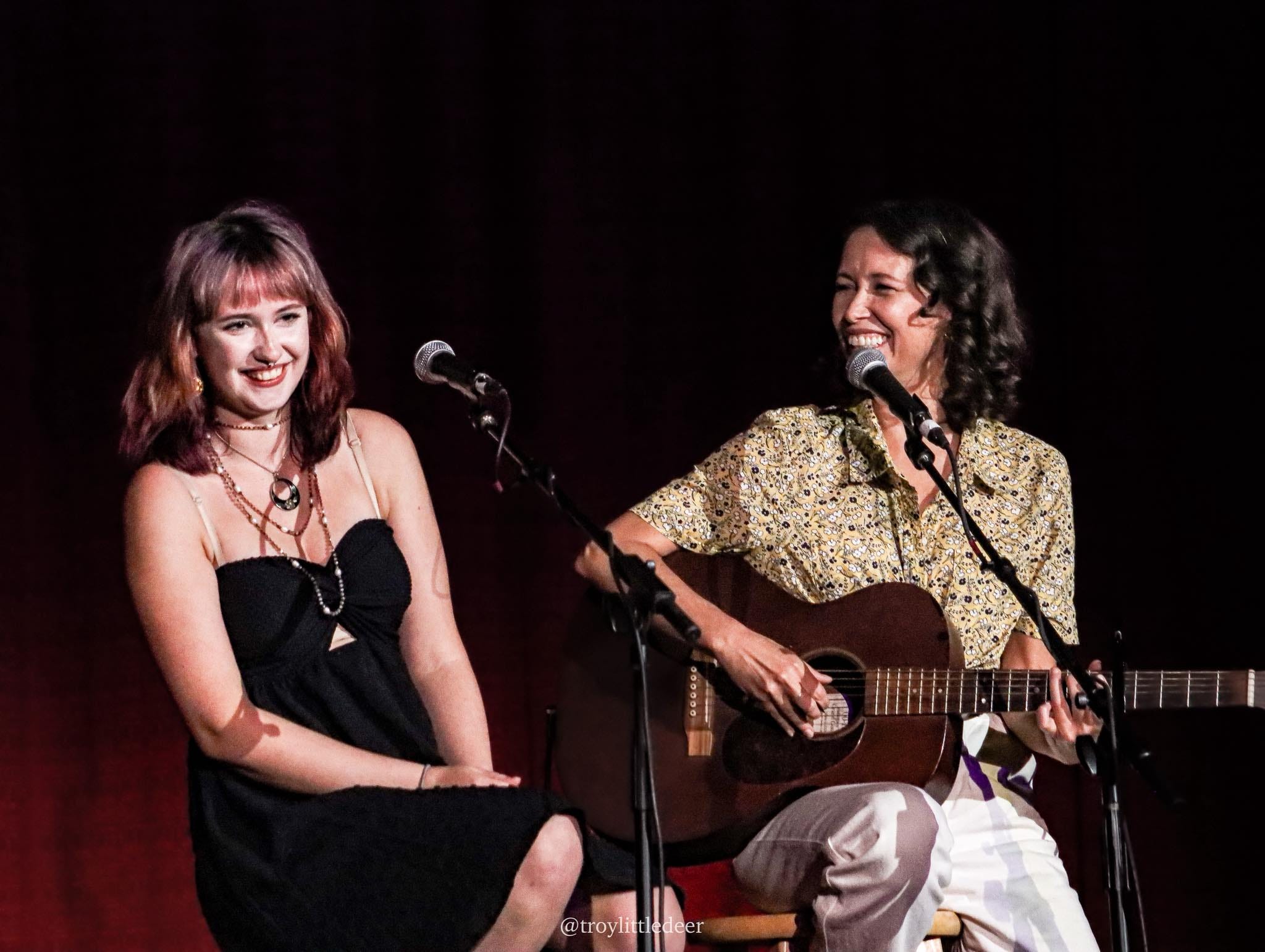
.Then Felker opened his mouth and the room went still.
The Turnpike Troubadours frontman started with “Every Girl” — that voice, the one that sounds like it has been dragged across every county road in eastern Oklahoma and came out the other side still standing. He sang about Cherokee County and cousin Lou and growing up on the Red River. On “The Bird Hunters” he sang like a man carrying something he has not yet put down. On “Gin, Smoke, Lies,” Lorrie resurfaces again, the way she always does in his writing — that unresolved weight with a name, and by the quiet recognition moving through the crowd, she belongs to all of them a little.
“Pay No Rent,” written for his late cousin, brought the room to a hush that felt almost liturgical.
Carll followed with “You Get It All” and then proceeded to do what Carll does better than almost anyone working in American roots music right now — he made grief funny without making it small. “I couldn’t wait forever, I hope you understand,” he sang, resignation and grace sharing the same breath. Then “Bad Liver and a Broken Heart” pulled genuine laughter out of the room, and Felker leaned over and said what everyone was thinking: “That only works here.”
It does only work here. That is the point.
They traded songs the way old friends trade stories — covering other writers, invoking Ray Wylie Hubbard, remembering the ones who did not make it to the next gig. Carll’s “Help Me Remember,” about watching his grandfather disappear into dementia, landed right after Felker’s tribute to his cousin, and the room absorbed both without flinching. “That’s what songs are for,” Carll sang later. “To get you through the door, to carry you home.”
Stripped-down versions of “Drunken Poet’s Dream” and “KMAG YOYO” closed out a set that felt less like a concert and more like a front porch in the last good light of the day. The Crystal Theatre is not a large room. Tuesday night it felt infinite.
Folk by tradition. Red Dirt by blood. Country by circumstance. All of it Americana to the bone.
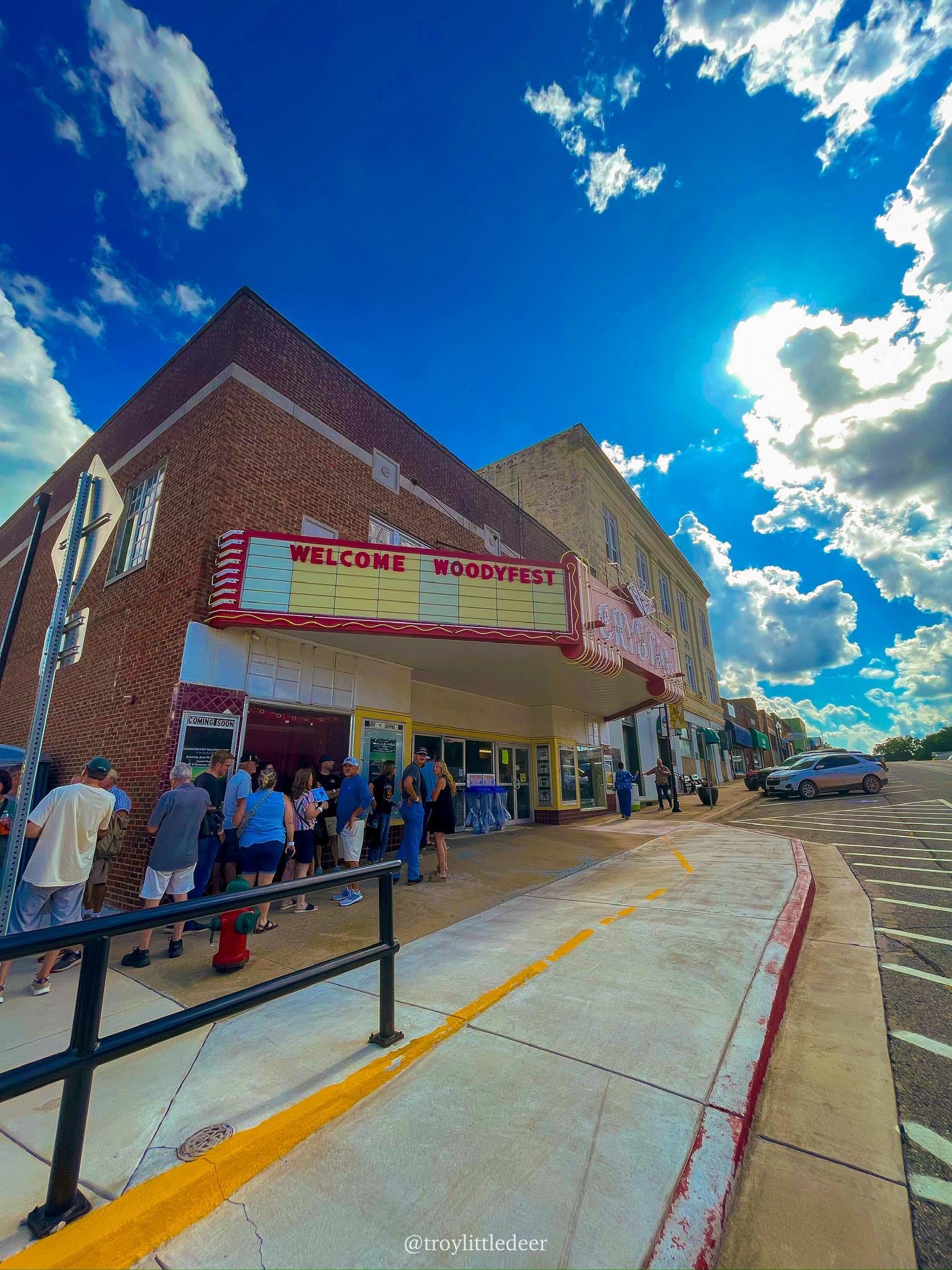
WoodyFest runs July 10 through 13 across multiple venues in Okemah. Thursday brings Sarah Lee Guthrie to the Bound for Glory Stage at 6:30 p.m. and the Red Dirt Rangers to the Pastures of Plenty Stage. Friday’s full evening at the Crystal Theatre features Carll, Felker, and Guthrie again, with John Moreland hitting the Pastures of Plenty Stage at 9:30 p.m. Saturday runs from the children’s festival through open mic at Buford’s Rocky Road Tavern and Mary Jo’s Brunch in the Minor Key at The Founder at 10:30 a.m.
Troy Littledeer is a writer and photographer based in Northeastern Oklahoma. He is a member of the United Keetoowah Band of Cherokee Indians and reports on tribal governance, education, and public accountability across Indian Country and surrounding communities. His work centers primary documents and recorded statements, with a focus on tribal law and the public record. Troy is a lifetime member of the Indigenous Journalist Association.
 | A guest post by
|