

UKB casino plan stalls after Oklahoma AG rejects gaming compact
By Staff Reports | July 6, 2025

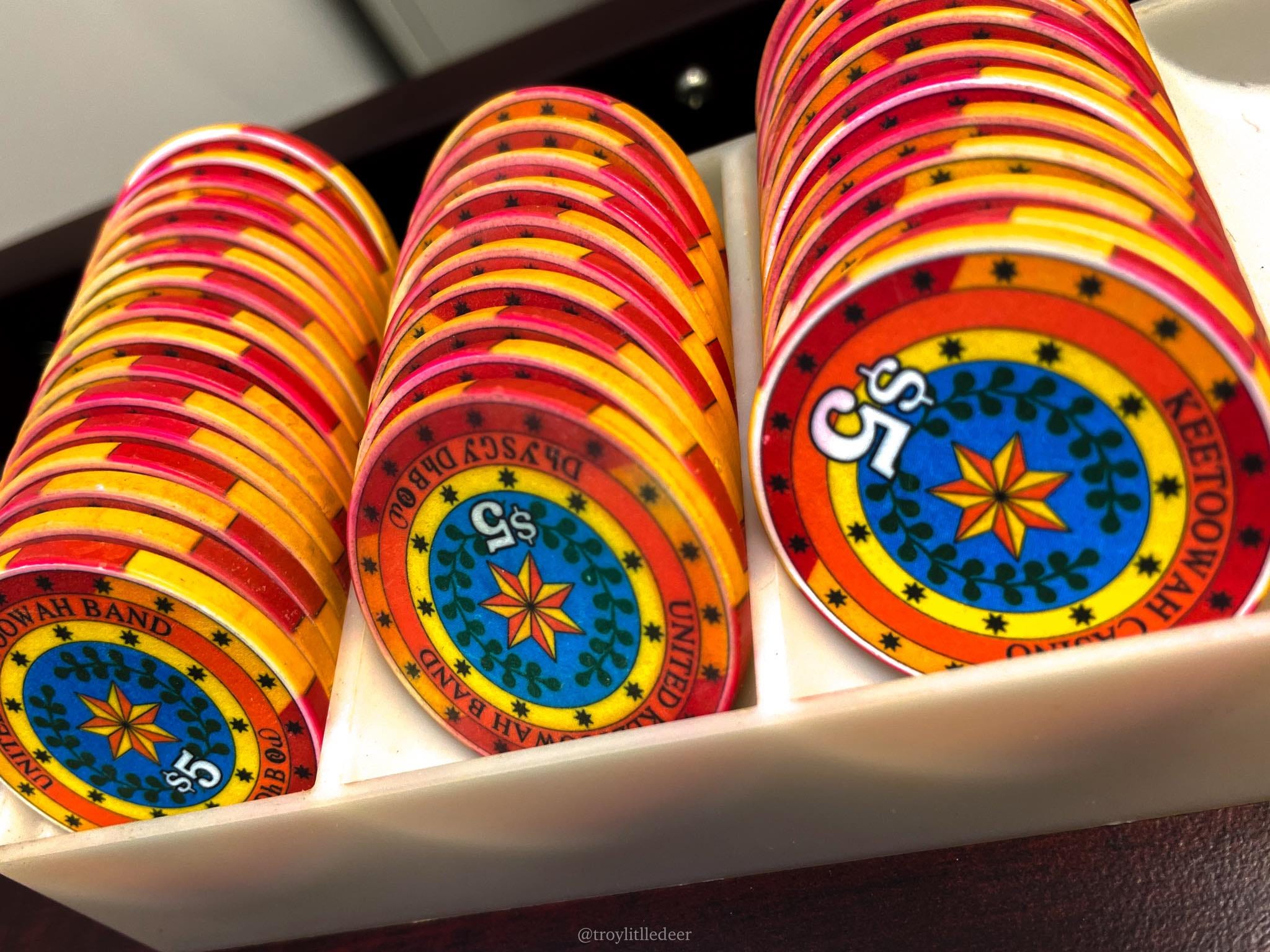
The United Keetoowah Band of Cherokee Indians’ effort to reestablish gaming operations in Tahlequah stalled June 9 after Oklahoma Attorney General Gentner Drummond issued an opinion concluding the tribe cannot enter the state’s model gaming compact because it was not a party before the agreement’s Jan. 1, 2020 renewal deadline.
The UKB signed Oklahoma’s model gaming compact on April 29, 2025 and submitted it to the U.S. Department of the Interior for federal approval. Drummond, writing with Deputy Attorney General Cheryl Dixon in response to a request from state Sen. Avery Frix, R-Muskogee, concluded in Attorney General Opinion 2025-7 that the offer was no longer available to the tribe.
“The model compact term expired on Jan. 1, 2020,” Drummond wrote. “The UKB did not have a compact in effect at that time. Finally, the UKB did not seek approval of the compact which the UKB signed on April 29, 2025, by the Joint Committee on State-Tribal Relations.”
The model compact was created under State Question 712, approved by Oklahoma voters in 2004, establishing a standardized gaming agreement available to federally recognized tribes. Its initial term lapsed on Jan. 1, 2020, with automatic renewal applying only to tribes already party to the agreement. The UKB was not among them. Tribes without an existing compact must negotiate individual agreements through the Joint Committee on State-Tribal Relations, according to the opinion.
The UKB’s federal status was in legal uncertainty for years, a factor that delayed earlier compact efforts. A compact executed during the Stitt administration fell into dispute after the Oklahoma Supreme Court held in Treat v. Stitt that the governor lacked authority to enter certain gaming agreements without legislative approval. The Joint Committee on State-Tribal Relations did not approve the compact.
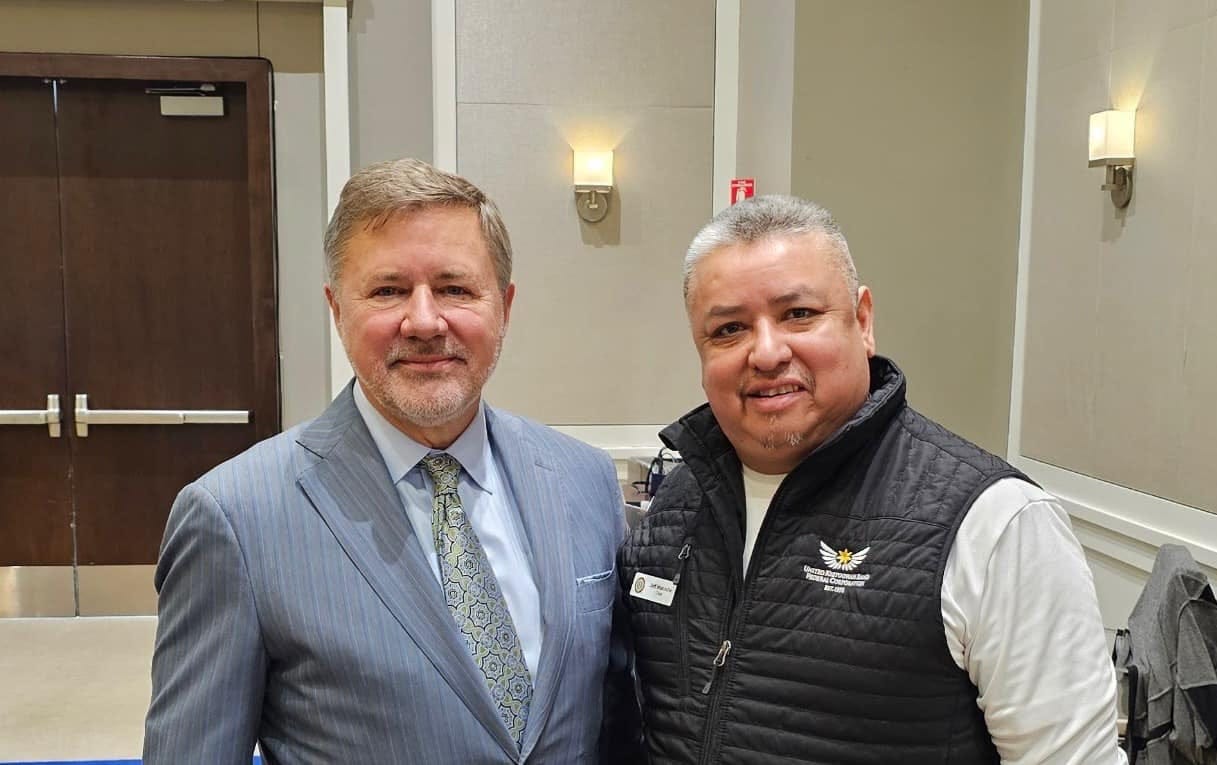
UKB Principal Chief Jeff Wacoche said the opinion reflected outside political influence rather than an accurate reading of the law.
“The fact that the Attorney General would issue a legal opinion that erroneously addresses the UKB without government-to-government consultation speaks volumes regarding the curious political influence of the Cherokee Nation,” Wacoche said.
“Were the shoe on the other foot there would have been daily personal consultations.”
Cherokee Nation Attorney General Chad Harsha supported Drummond’s findings.
“I think his opinion was an accurate reflection of what the law is in Oklahoma and highlights the UKB, as they have in the past, tried to operate illegal gaming operations,” Harsha said. “You can’t do so under the guise of a compact that’s not available to them.”
The legal dispute follows a Jan. 20, 2025 opinion from then-Interior Solicitor Robert T. Anderson, who concluded in M-Opinion M-37084 — a 57-page document — that the UKB and Cherokee Nation are equal successors to the historic Cherokee Nation’s reservation for certain regulatory purposes and that the Bureau of Indian Affairs may acquire land in trust for the UKB within the Cherokee Reservation. That opinion was placed under Suspension Review on Feb. 28, 2025, by a subsequent Interior Solicitor memorandum covering all M-opinions issued between Jan. 20, 2021 and Jan. 20, 2025.
The opinion has not been reinstated, modified or revoked. Interior units are directed not to rely on it as authoritative without first consulting the Office of the Solicitor.
Cherokee Nation Principal Chief Chuck Hoskin Jr. contested Anderson’s findings at the time of their release.
“Experts, history and the law agree, the Cherokee Nation that exists today has maintained a continuous government-to-government relationship with the United States since the union was founded,” Hoskin said. “There is nothing — in the historical record, statutes, legislative history, court decisions or elsewhere — that would entitle the United Keetoowah Band of Cherokee Indians or any other tribe to the Cherokee Nation’s treaties or reservation.”
The UKB first opened a casino in Tahlequah in 1986, before Congress passed the Indian Gaming Regulatory Act in 1988. The facility operated without a formal compact until 2013, when it closed following a federal court ruling in United Keetoowah Band v. Oklahoma ex rel. Moss that found the land fell under Cherokee Nation jurisdiction. The building was later removed. The site remains vacant.
Under the Indian Gaming Regulatory Act, the Department of the Interior has 45 days to act on a submitted compact before it is deemed approved by default, though it would not take effect until published in the Federal Register. State law governs whether a valid agreement exists to submit. The Department of the Interior determines whether a compact takes effect under federal law.
Class II gaming — which includes bingo-style electronic games — does not require a state compact under federal law when operated on qualifying lands. Several Oklahoma tribes, including the Cherokee and Chickasaw Nations, operate Class II gaming facilities. The UKB has indicated it intends to continue pursuing gaming opportunities.
No new structures currently exist on the Tahlequah site.
Troy Littledeer is a writer and photographer based in Northeastern Oklahoma. He is a member of the United Keetoowah Band of Cherokee Indians and reports on tribal governance, education, and public accountability across Indian Country and surrounding communities. His work centers primary documents and recorded statements, with a focus on tribal law and the public record. Troy is a lifetime member of the Indigenous Journalist Association.