

Opinion: Accurate tribal reporting strengthens us all
By Troy Littledeer | @candyminksprings


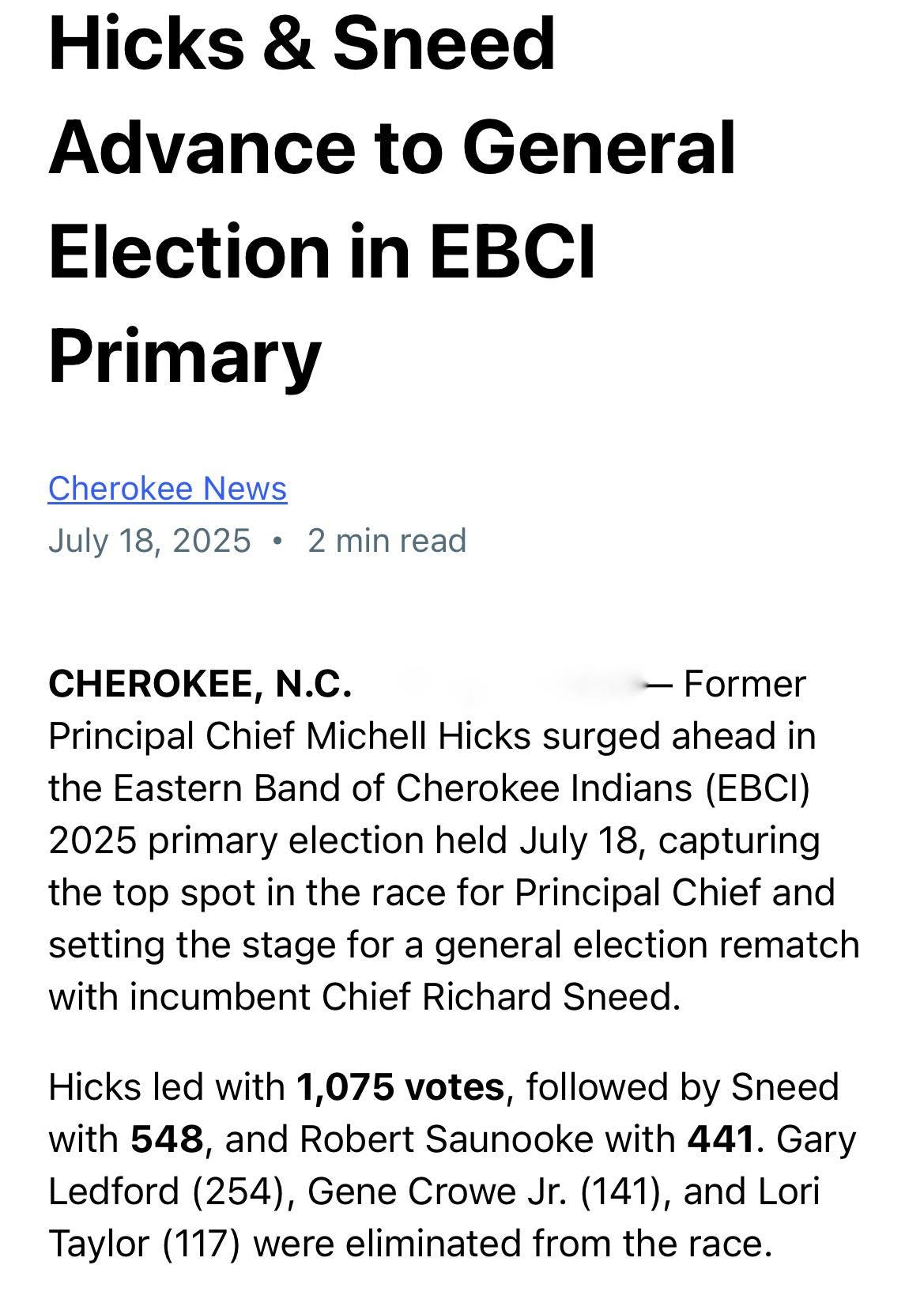
In Indian Country, journalism is more than a profession. It is a responsibility to the people and to inherent sovereignty. The stories we tell, the facts we publish, and the voices we lift shape how our communities see themselves and how the world sees us. When those stories are wrong, it is not just an error. It is a missed opportunity to strengthen the trust that holds nations together.
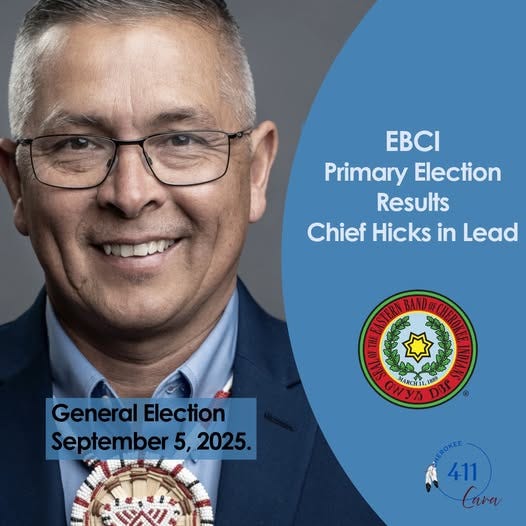
Recent reporting on the Eastern Band of Cherokee Indians’ 2025 Tribal election showed how quickly misinformation spreads. Some reports carried incorrect vote counts, listed candidates who were not on the ballot, and suggested races were on the cycle that were not. Those errors do not stay on the page. They reach voters. They reach elders. They reach people trying to understand their own government. In communities where every vote carries weight, accuracy is not a professional standard — it is a form of respect.
The Society of Professional Journalists Code of Ethics is direct on this point: seek truth and report it, minimize harm, act independently, be accountable and transparent. For tribal media, those values carry additional load because the readership is not abstract. They are our families. They are the people who will lead after us. Verifying facts before publication is not procedural caution. It is the SPJ’s own instruction: take responsibility for the accuracy of your work.
When errors occur, the same code demands that we acknowledge them promptly and correct them prominently, with a clear explanation of what went wrong.
The Indigenous Journalists Association adds a layer that SPJ cannot provide on its own. The IJA’s Red Press Initiative calls for tribal media that informs rather than promotes, questions rather than repeats, and empowers rather than divides. It calls explicitly for editorial firewalls between the political and journalistic goals of the tribe. A press that cannot separate itself from the administration it covers cannot hold that administration accountable.
Our shared history makes this clear. Outside outlets misrepresented Indigenous stories and cultures for generations. Tribal journalism rose to reclaim those narratives. That work is too important and too hard-won to be undermined by avoidable errors and uncorrected mistakes.
Reporting with precision preserves more than the record. It preserves credibility. It preserves trust. It preserves the argument that an independent Native press is worth fighting for.
There are too many Indigenous journalists doing that work carefully and under pressure for negligence to set it back. What affects one of us affects all of us. This is not about blame. It is about raising the standard together, so that when we tell our people’s stories, we tell them right.
Troy Littledeer is a journalist and photographer based in Candy Mink Springs, Oklahoma. He is a member of the United Keetoowah Band of Cherokee Indians and reports on tribal governance, education, and public accountability across Indian Country and its surrounding communities. His work centers primary documents and recorded statements, with a focus on tribal law, the public record, and all people in our communities.
 | A guest post by
|