

Oklahoma Adjourned. The Education Win They Didn’t Announce.
The Legislature celebrated $232 million for schools. It did not mention the veto threatening the state’s advisory council on Native education.


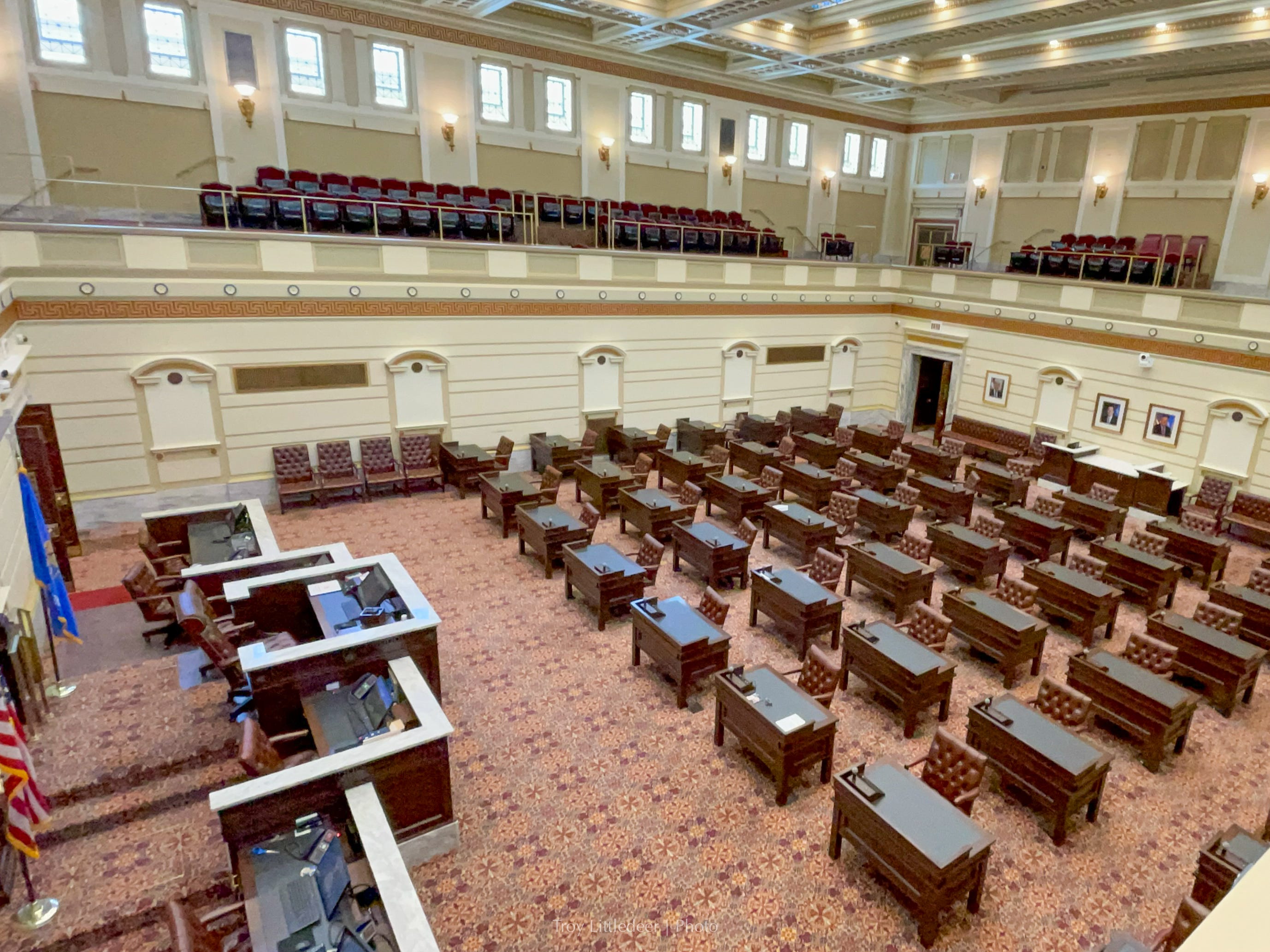
House leadership described in a press release the session as producing significant policy wins. That depends entirely on whose kitchen table you’re sitting at.
Oklahoma’s American Indian and Alaska Native population is among the highest in the country — 523,360 people, or 13.36 percent of the state’s total population. That’s roughly one in eight Oklahomans. Any session summary that doesn’t account for that one in eight isn’t a complete picture.
The release celebrates $232 million in new common education spending — reading screenings, math interventions, teacher pay raises. What it doesn’t mention: more than 150,000 Oklahoma students are Native American, making up 15 percent of the state’s total K-12 enrollment, according to Oklahoma State Department of Education enrollment data for the 2024-25 school year. That’s the population those dollars are supposed to reach. All of it lands — or doesn’t — in classrooms where nearly one in six kids is Native.
Here’s what the press release also left out.
Gov. Kevin Stitt vetoed House Bill 3006, which would have extended the Oklahoma Advisory Council on Indian Education by another five years. The bill passed 81-8 in the House on March 12 and 37-8 in the Senate on April 15 — bipartisan, lopsided, about as close to consensus as this Legislature produces. Stitt vetoed it anyway.
The Legislature established the council in 2010 to advocate for Native American students and offer recommendations to the State Board of Education and the Superintendent of Public Instruction. Supporters said the council created a formal venue for tribal governments and Native education advocates to raise concerns about student outcomes, curriculum, and representation in state education policy. Governor Stitt’s veto threatens one of the state’s formal venues for tribal nations to raise those concerns.
Cherokee Nation Chief of Staff Dr. Corey Bunch, who chairs the council, said in January: “Varying administrations have varying priorities, and we want to make sure Native American students are always at the top of the priority list.”
In his veto message, Stitt stated the council’s work overlaps with the Education Department’s Office of American Indian Education. He wrote the council “does not appear to have functioned as an active or effective body.”
The Oklahoma State Department of Education webpage for the council still lists a June 17 meeting. The body sunsets July 1.
As of adjournment Thursday, publicly available legislative records did not show a completed veto override of HB 3006.
Meanwhile, the session’s literacy push — SB 1778, the reading reform bill the release leads with — carries real dollars and real mandates. Native American incomes in Oklahoma’s tribal areas grew 56 percent from 2010 to 2023, outpacing the statewide average, but the median Native American household in tribal areas still lagged the statewide median income by more than $7,500. Literacy policy that reaches those communities could help close that gap. Or it can land like every other reform that wasn’t designed with those communities in the room.
The House leadership press release did not mention the council veto.
Session adjourned sine die, May 14, 2026.
Troy Littledeer is a journalist and photographer from Candy Mink Springs in Adair County, Oklahoma. He is a citizen of the United Keetoowah Band of Cherokee Indians and has reported on tribal government, education, sovereignty, and rural Oklahoma issues for more than 20 years. His work has appeared in the Cherokee Phoenix, Osage News, NDNSports.com, and Giduwa Cherokee News. He is a lifetime member of the Indigenous Journalists Association and received the 2025 Tim Giago Free Press Award for defending tribal press independence.
 | A guest post by
|